
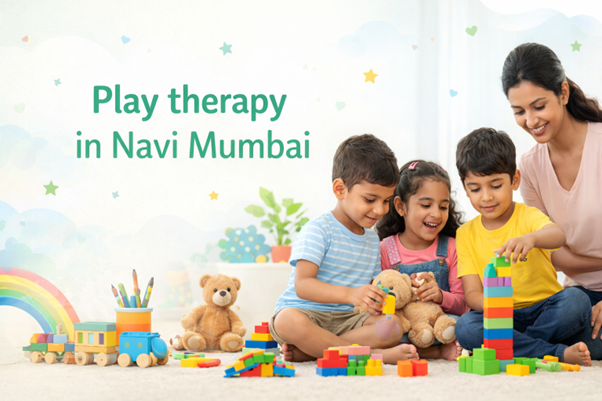
Play is a fundamental occupation for children—it’s how they learn, develop skills, and participate in daily life. At T3 Clinic, our occupational therapists use play as an assessment tool, therapeutic medium, and meaningful outcome, helping children build essential skills for independence and participation.
Purpose of Play in Occupational Therapy
Assessment: Play reveals authentic performance without testing pressure, showing motor planning, coordination, strength, attention, executive function, social interaction, communication, emotional regulation, and sensory processing patterns.
Intervention (Play as Therapeutic Medium): Activities are intentionally selected—fine motor through puzzles and blocks, gross motor through obstacle courses, sensory regulation through sand and water play, cognitive skills through board games, social skills through cooperative games. Play is the means to an end.
Outcome (Play as an Occupation): For many children, the goal is play—playing independently, with peers, engaging in age-appropriate activities, and experiencing enjoyment and participation. This aligns with occupation as both means and end.
Schedule an assessment at t3 Clinic to discuss your concerns.
Signs Your Child May Benefit from Play Therapy
- Difficulty with age-appropriate play activities
- Challenges with fine motor tasks like puzzles or building
- Trouble taking turns or playing with peers
- Sensory sensitivities affecting play participation
- Poor motor planning or coordination
- Social withdrawal or limited peer interaction
- Emotional dysregulation during activities
- Avoidance of certain play types (messy, physical, social)
- Delays in self-care skills or school readiness
If these challenges persist and impact daily participation, occupational therapy can help. Schedule an assessment at T3 Clinic.
Why Choose T3 Clinic for Play Therapy in Navi Mumbai
Certified Occupational Therapists
Specialized training in pediatric OT, sensory integration, and developmental intervention.
Occupation-Based Philosophy
Play is viewed as a core occupation, ensuring interventions address meaningful daily participation.
Sensory-Rich Environment
Therapy spaces include sensory equipment and age-appropriate materials supporting diverse needs.
Goal-Directed Practice
Every activity purposefully addresses therapeutic goals while maintaining engagement.
Family Partnership
Strategies for home implementation and regular progress updates.
Play Across Practice Areas
Our occupational therapists use play strategically across different settings and populations to support functional goals and meaningful participation.
Pediatric Occupational Therapy
● Developmental delays
● Autism spectrum disorder
● ADHD
● Learning disabilities
● Cerebral palsy
Play supports developmental skills, regulation, and participation.
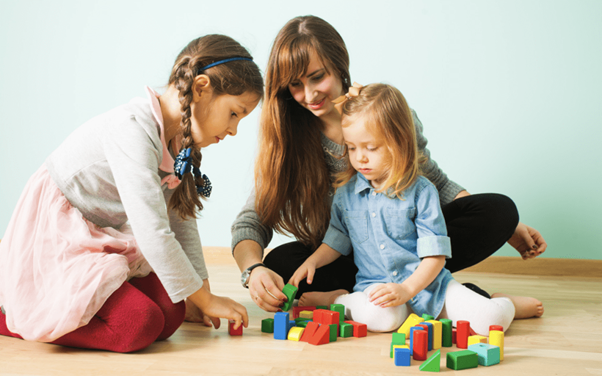
Mental Health Occupational Therapy
● Games for social interaction and motivation
● Creative play for emotional expression
● Structured activities for routine development
● Leisure exploration as part of recovery
Physical Rehabilitation
● Improve endurance and strength
● Promote repetition without boredom,
● Encourage confidence and engagement
● Gamified therapy approach
Types of Play Used in Occupational Therapy
We utilize various play types based on therapeutic goals and individual needs:
● Sensorimotor Play: Movement and body-based activities
● Constructive Play: Building and creating
● Pretend/Symbolic Play: Imagination and role-play
● Games with Rules: Turn-taking and strategy
● Digital Play: Apps and video games used purposefully
Theoretical Grounding
Our play-based approach is grounded in evidence-based practice:
Supporting Frameworks
● Developmental theories
● Sensory integration principles
● Occupation-based models
● Client-centered practice
Guiding Factors
● Child's age
● Culture
● Interests
● Context and environment
Conditions We Support Through Play Therapy
Developmental Delays
Supporting children not meeting motor, cognitive, or social milestones.
Autism Spectrum Disorder
Play therapy for kids with autism addresses social communication, sensory regulation, and meaningful participation.
ADHD
Targeting executive function, impulse control, and self-regulation.
Learning Disabilities
Building cognitive skills and visual-motor integration.
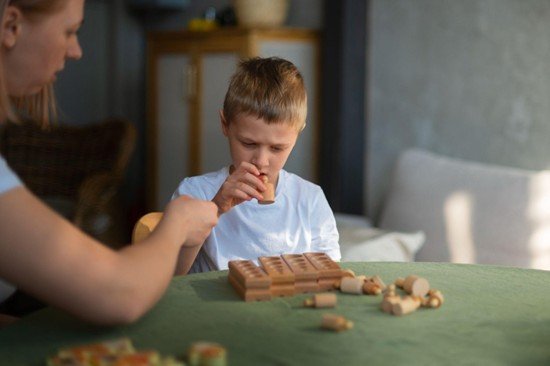
Cerebral Palsy
Improving motor planning, strength, and functional independence.
Sensory Processing Disorders
Helping children modulate sensory input through graded play.
Emotional and Behavioral Challenges
Teaching coping strategies and self-management.
Key Takeaway
Play in occupational therapy is:
- Purposeful
- Goal-directed
- Occupation-based
- Client-centered
When used well, play becomes one of the most powerful tools an occupational therapist has.
Ready to help your child thrive? Contact today to schedule your initial assessment for play therapy in Navi Mumbai.