How Sensory Integration Therapy Helps Autistic Kids?
Sensory integration therapy helps autistic children build tolerance to sensory input their nervous system struggles to process.Touch, sound,movement and texture can register as painful or overwhelming in autism because the brain isn’t sorting that information correctly.SI therapy works directly on this processing gap through structured vestibular,proprioceptive and tactile activities.The aim is retraining how the nervous system receives input in the first place.
According to Dr.Sushant D.Sarang, Occupational Therapist in Navi Mumbai, “Most of what looks like difficult behaviour in autistic children is actually a nervous system that hasn’t learned to sort sensory information efficiently.That’s what we work on.”
How Does Sensory Integration Therapy Actually Work?
Every session targets a specific sensory system. What gets worked on depends entirely on how that individual child’s nervous system is responding that week.
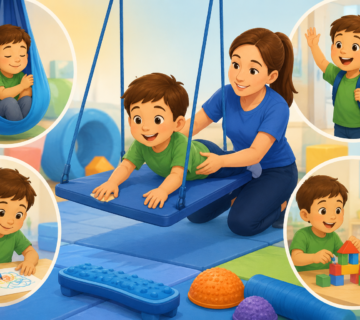
- Vestibular Stimulation: Swinging, spinning, rocking and bouncing.The vestibular system controls balance, spatial awareness and how calm or alert a child feels through the day.Many autistic children are over or under-responsive here. Targeted movement input shifts that baseline reliably over time in a way that other interventions don’t reach.
- Proprioceptive Activities:Climbing, pushing, pulling and carrying This sense tells the body where it is physically. Autistic children who crash into furniture or need to be squeezed hard to feel settled are often trying to get a signal their system isn’t producing on its own.Heavy work gives them that signal in a structured and controlled way.
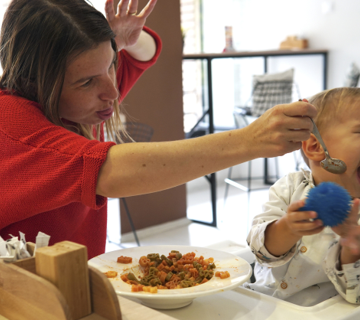
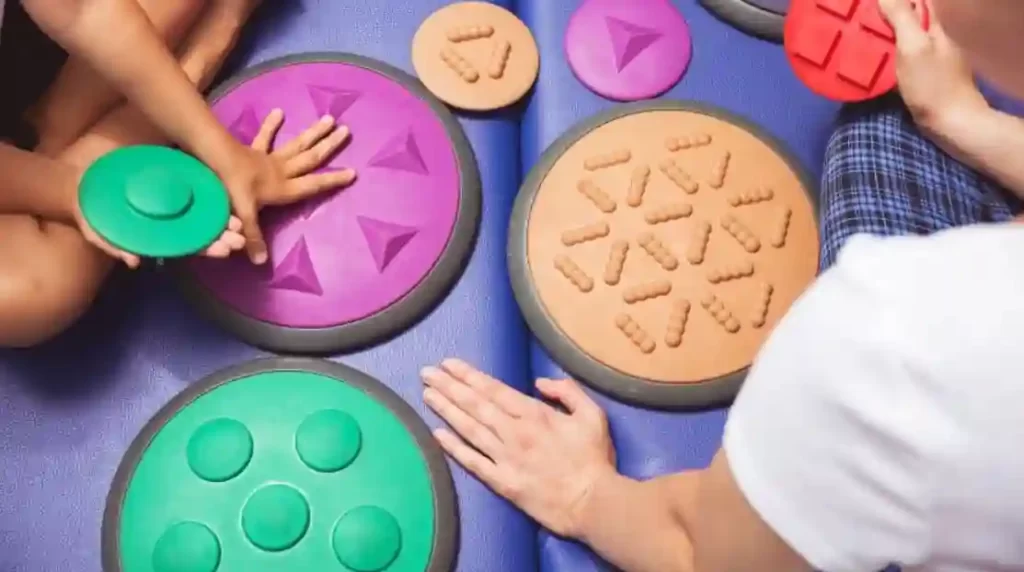
- Tactile Grading: Fabric that registers as sandpaper.Food textures that feel genuinely alarming. Being touched without warning.Graded tactile work introduces different sensations slowly across sessions building tolerance in a sequence the child’s nervous system can follow without going into overload.
- Child-Led Sensory Play:The session follows the child’s real-time responses. A good therapist reads what the nervous system is doing at any given point and adjusts accordingly.From the outside it looks like playing. The decisions behind it are deliberate.
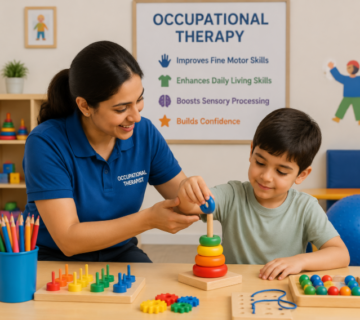
Sensory integration therapy always starts with a full sensory profile because autistic children don’t share a sensory pattern and what works well for one child can actively dysregulate another.For children also working on daily functional tasks the blog on occupational therapy for children covers where OT and SI overlap.
What Do Families Actually See Change?
Most parents aren’t watching for the right things at first. The changes tend to show up in daily routines rather than in obvious therapy milestones.
- Clothing and Grooming Get Easier: A child who screamed through every haircut starts tolerating scissors near their head. Tags stop being a daily crisis. These changes take months of work. They happen because the tactile system is genuinely changing and the threshold is actually shifting not just the child learning to endure.
- Meltdowns Become Shorter: Triggers don’t disappear. But the nervous system starts handling them at a lower intensity. A supermarket that lasted two minutes might stretch to ten then fifteen. Something in how the brain is taking in that environment has changed.
- Sleep Settles: Many autistic children run a backlog of unprocessed sensory input from the day which keeps them wired at night. When daytime SI work starts improving regulation evenings get quieter. Parents usually clock this before they notice changes anywhere else.
- School Becomes Less Draining: A child not burning through every available resource just managing a noisy classroom has more capacity left for the actual lesson. Teachers tend to notice this first. They see that child in the most demanding sensory environment six hours a day.
Some children shift within two months. Others take six before anything obvious surfaces. Progress in SI therapy rarely looks dramatic and it accumulates in small daily changes until the picture looks meaningfully different. Read more on what occupational therapy for children actually is.
Why Choose Tender Touch Therapy Clinic?
Dr. Sushant D. Sarang holds Sensory Integration certification at Level I and IV from the USA and has been running T3 Clinic since 2007 across four Navi Mumbai locations with six occupational therapists on the team. That is a long time working specifically with children’s sensory systems.
Every child starts with a written sensory profile before sessions begin.Therapy is individual and gets adjusted as the child changes. When an approach isn’t moving things forward it gets reconsidered and changed.Parents receive specific session updates on what was targeted what shifted and what comes next.
FREQUENTLY ASKED QUESTINS
How many SI therapy sessions does an autistic child typically need?
Most children need 6 to 12 months of consistent weekly sessions to show meaningful sensory change.
Can sensory integration therapy replace ABA therapy for autism?
No, SI and ABA target different things; many children benefit from both running alongside each other.
How is sensory integration therapy different from regular play therapy?
SI therapy uses specific sensory activities calibrated to the child’s neurological profile, not general play.
Does sensory integration therapy work for non-verbal autistic children?
Yes, SI therapy is activity-based and does not require verbal communication to be effective.
References