Sensory Integration in Autism
The world can be a tough place for kids with autism. They might feel like everything is too much to handle. Sounds that do not bother most people can be really upsetting for them. The way their clothes feel can be very uncomfortable. Even simple things like going from one activity to another can be very hard for them. A lot of the time this is because of something called integration. If families can understand what this means, it can be a help for their child.
At Tender Touch Therapy clinic, we help kids and their families deal with the way kids process information. We do this with a kind and gentle approach using methods that are based on what has been proven to work. We made this guide to help you learn about sensory integration. You will learn what it is, how it affects kids with autism and what you can do to make things better for your child.
Common Sensory Processing Challenges in Children with Autism

Sensory Over-Responsiveness (Hypersensitivity):
The nervous system amplifies input, making everyday sensations feel intense or painful - covering ears at loud sounds, avoiding touch, gagging at food textures, or becoming overwhelmed in busy environments.
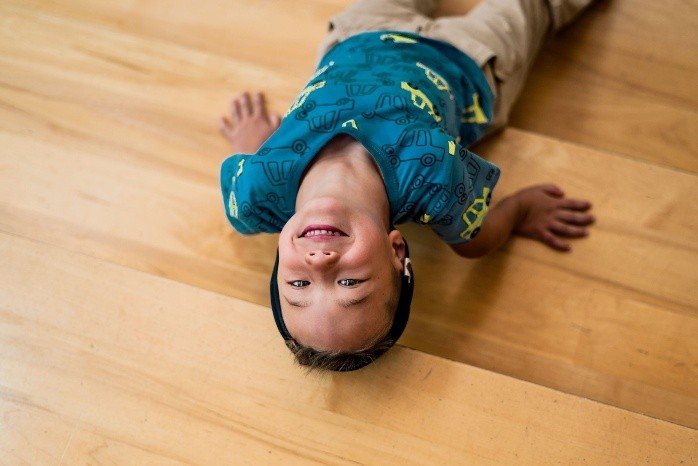
Sensory Under-Responsiveness (Hyposensitivity
The nervous system needs more stimulation to stay alert. A child may seem unaware of pain, not respond when called, appear lethargic, or miss basic body signals like hunger. This is often mistaken for inattentiveness.

Sensory Seeking Behaviours:
Some children seek intense sensory input to self-regulate - crashing, jumping, chewing, or fixating on lights and movement. These behaviours aren't disruptive for the sake of it; they're the child's way of meeting a genuine neurological need.
Signs a Child May Be Experiencing Sensory Integration Difficulties
Sensory integration difficulties do not always look the same in every child. They can be mistaken for behavioural issues, anxiety or being disobedient. The following signs may indicate that a child is having trouble with integration, if a child:
• Has emotional outbursts a lot, especially in busy or stimulating environments.
• Difficulty transitioning between activities or locations.
• Resists grooming routines such as haircuts, teeth brushing or nail trimming
• May appear clumsy or have poor coordination
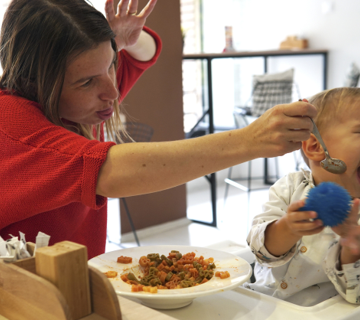
• More picky about food than other children
• Cannot sit still or pay attention
• Reacts strangely to sounds, lights or touch
• Does not seem to understand space and often bumps into others
• Takes time dressing or gets very upset about what they are wearing
• Gets tired after being in sensory environments that most children can easily handle
How Sensory Processing Affects Daily Activities and Learning

The Role of Occupational Therapy in Sensory Integration
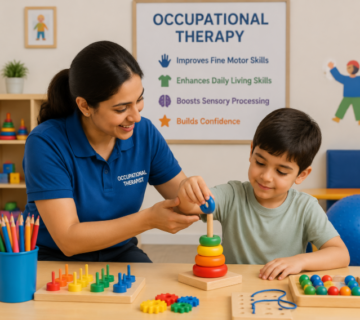
Occupational therapists (OTs) are uniquely positioned to assess and address sensory processing difficulties. Trained in the science of sensory integration and child development, OTs conduct comprehensive assessments to identify a child’s specific sensory profile — the unique combination of sensory sensitivities, thresholds, and needs that shapes their daily experience.
An OT assessment typically includes standardised assessments such as the Sensory Processing Measure (SPM) or the Sensory Integration and Praxis Tests (SIPT), clinical observations, and in-depth conversations with parents and caregivers about the child’s history and daily challenges.
From this assessment, the OT develops an individualised treatment plan that targets the child’s specific sensory needs. The goal is not to eliminate sensory differences, but to help the child’s nervous system become more flexible, regulated, and capable of adapting to the demands of daily life. Occupational therapy also empowers parents and teachers with practical strategies that extend the benefits of therapy into everyday settings.
Sensory Integration Therapy Techniques Used in Autism Support
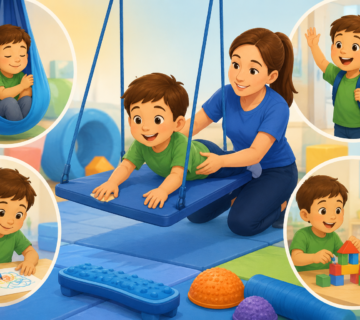
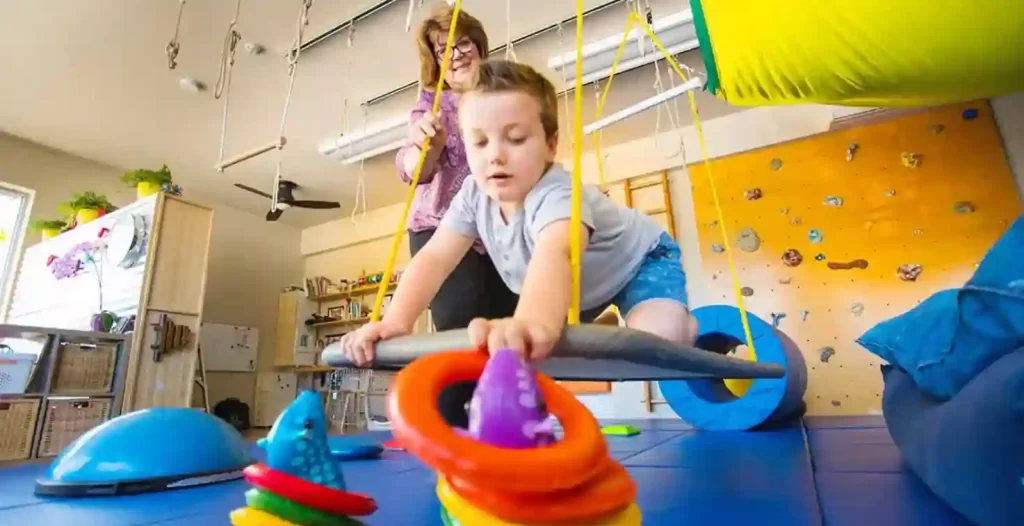
Sensory integration therapy is about letting the child take the lead and have fun in a special sensory gym where things are set up to help the child’s nervous system safely and comfortably. Three sensory systems are important for this kind of therapy.
Vestibular Activities: The vestibular system is what helps us balance and move around. Doing things like swinging, spinning, bouncing, and balancing can really help with this. If a child is feeling really upset, slow and gentle movements can be calming. If a child is feeling tired faster, more exciting movements can help them feel more awake. The vestibular system is really important for sensory integration therapy. It helps children with balance, movement, and coordination. Sensory integration therapy uses the system to help children feel calmer and more focused.
Proprioceptive Input Activities: Proprioception is like a sense that tells our body where it is in space. We can feel it in our muscles and joints. Doing things like work, crawling, push-ups, climbing and using weighted blankets can really help with this. It can be very calming. Help children feel more organised. That is why a lot of children like to play rough and crash into things. It helps them feel better. Proprioceptive input activities are great for children who need help with integration. These activities help children feel more grounded and secure.
Tactile Sensory Activities: For a lot of children with autism touch can be a hard thing to deal with. Playing with sand slime and playdough can be really helpful. So can special brushing. Getting used to different textures slowly. These things can help children feel more comfortable with touch which can make everyday life easier. Like wearing clothes getting clean and trying foods. Tactile sensory activities are a part of sensory integration therapy. They help children get used to textures and feelings which can be really helpful for children, with autism.
Benefits of Sensory Integration Therapy for Children with Autism
When sensory integration therapy is well-matched to a child’s needs, the benefits can be far-reaching. Families supporting a child with sensory integration in autism often report improvements across multiple areas of daily life, including:
- Greater emotional regulation and fewer meltdowns in sensory-challenging environments
- Improved ability to tolerate everyday sensory experiences such as grooming, dressing, and mealtimes
- Enhanced attention, focus, and readiness to learn at school
- Increased participation in family activities and social situations
- Better coordination, balance, and gross motor skills
- Reduced anxiety around sensory triggers
- Improved self-awareness and the ability to communicate sensory needs
- Greater independence in self-care routines
Practical Strategies to Support Sensory Needs at Home
Parents and caregivers play a role in helping with sensory issues. Therapy is important. Real progress happens in everyday moments. Here are some helpful tips that many families like:
Create a home environment: Reduce things that might upset your child at home. Soft lighting, noise-cancelling headphones, and comfy clothes can make a big difference.
Plan activities: A sensory schedule is a daily plan of activities that help keep your child’s nervous system steady. Your occupational therapist can help make one for your child.
Use routines: Unexpected things can upset kids. Consistent routines and visual schedules help them feel safer.
Get ready for situations: Before busy or new events explain whats happening to your child. If you can visit beforehand. Bring sensory tools like headphones or a fidget toy.
Listen to your child’s signals: When your child gets upset, focus on calming them down. Be calm, reduce demands, and offer things like pressure or a quiet space.
Work with the school: Share your child’s needs with their teachers. Simple changes. Like sitting near the teacher, taking breaks, and using tools. Can help your child learn and join in.
When to Seek Professional Support for Sensory Integration in Autism
Every child has sensory preferences and quirks — that is entirely normal. However, when sensory processing differences begin to interfere significantly with a child’s daily functioning, well-being, or development, professional support is warranted.
Consider seeking a referral to an occupational therapist if your child:
- Experiences frequent or intense distress related to everyday sensory experiences
- Has significant difficulties with self-care routines such as dressing, bathing, or eating
- Struggles to participate in school or social activities due to sensory sensitivities
- Engages in intense or persistent sensory-seeking behaviours that cause concern
- Has already been diagnosed with autism and you have not yet had a sensory assessment
- Is showing signs of increasing anxiety or avoidance linked to sensory environments
Early intervention is generally associated with better outcomes, so it is always better to seek an assessment sooner rather than waiting to see if a child will grow out of it.
FAQs
1. What's the difference between sensory hypersensitivity and hyposensitivity?
Hypersensitivity means being over-responsive — a shirt tag feels unbearable or a crowded room is overwhelming. Hyposensitivity means being under-responsive — seeking intense input like spinning or not noticing pain. Many autistic people experience both, often in different senses at the same time.
2. Can sensory integration therapy actually help?
Occupational therapy using a sensory integration approach can help the brain respond better to sensory input over time. It’s most effective when started early, but adults benefit too. Results vary — it won’t eliminate sensory differences, but many people gain meaningful coping and regulation skills.
3. How can everyday environments be adjusted to reduce sensory overload?
Simple changes help significantly — dimmable lighting, noise-canceling headphones, soft-fabric clothing, reduced clutter, and a designated quiet space. Schools and workplaces can also implement formal sensory accommodations under disability support frameworks.
4. Is sensory sensitivity in autism the same as sensory processing disorder (SPD)?
They overlap but aren’t identical. SPD is a standalone diagnosis, while sensory differences in autism are part of a broader neurological profile. Not everyone with SPD is autistic, and not every autistic person has SPD — though the experiences can look very similar.