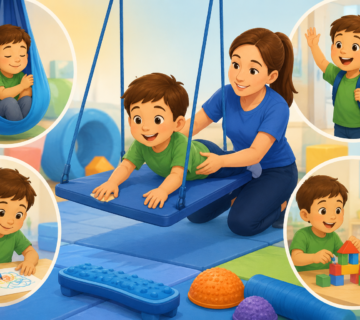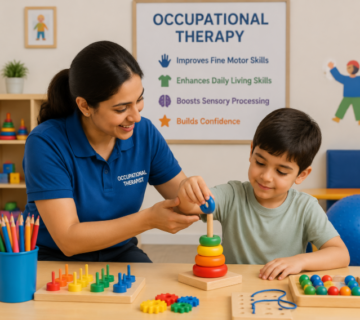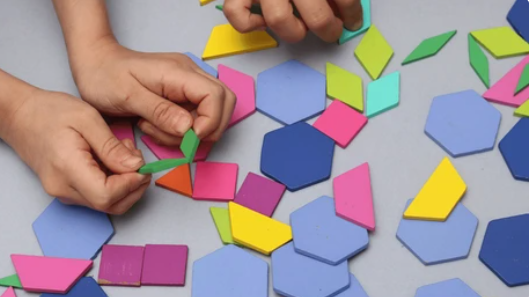
Sensory integration therapy helps children with autism process sights, sounds, touch, and movement without feeling overwhelmed. Through swings, brushes, weighted tools, and play-based exercises, therapists improve attention, behaviour, motor skills, and daily routines such as eating, dressing, and sleeping. Early therapy fosters confidence, reduces frustration, and supports smoother social interactions.

“Autistic children do not act out by choice. Their brains process sounds, touch, and movement differently. Once we calm the sensory system through structured therapy, focus improves, meltdowns reduce, and daily tasks like eating, dressing, and sleeping become manageable for the whole family.” Says Dr. Sushant Sarang, Ph.D. Scholar & Senior OT, Chief Mentor at Tender Touch, Navi Mumbai, with 27+ years of experience
What is Sensory Integration Therapy?
- Brain Processing: Helps the brain organise input from all seven senses. Children learn to respond calmly to stimuli rather than reacting with anxiety or withdrawal.
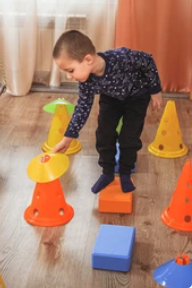
- Play-Based: Uses swings, ball pits, textures, and obstacle courses. Play keeps sessions engaging while providing meaningful sensory input.
- Therapist-Led: Conducted by trained paediatric occupational therapists. Therapists observe responses, adjust exercises, and ensure safety at all times.
- Individual Plans: Each child receives a custom sensory diet. Tailored programs address unique sensitivities and developmental goals.
Common Sensory Challenges in Autistic Children
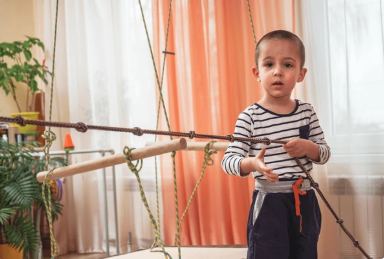
Autistic children often experience sensory difficulties that affect daily routines, learning, and social interaction. Therapy is designed to reduce these sensitivities gradually.
- Sound Sensitivity: Reacts to vacuums, fans, or crowded spaces. Children may cover their ears or cry, which impacts school and play.
- Touch Issues: Refusal to accept certain textures, haircuts, or clothing tags. Small daily routines like dressing or eating may become stressful.
- Movement Needs: Excessive spinning, jumping, or rocking. High activity helps regulate sensory input but can interfere with attention and safety.
- Visual Overload: Avoids eye contact or bright lights. Overstimulation can cause anxiety or withdrawal from social situations.
How Sensory Integration Therapy Helps
Therapy provides measurable benefits that improve quality of life. Sessions focus on regulating the nervous system and building functional skills.
- Better Focus: A calmer nervous system improves classroom attention and engagement in activities. Children can complete tasks with less frustration.
- Improved Behaviour: Reduced meltdowns and aggressive episodes. Predictable sensory routines create a sense of security.
- Motor Skills: Strengthens balance, coordination, and handwriting. Therapy encourages smooth movement and improved posture.
- Daily Living: Easier routines like bathing, brushing, eating, and sleeping. Children gain independence in personal care and household tasks.
Sensory Integration Activities Parents Can Try at Home

Home practice reinforces clinic progress. Simple, safe activities can enhance sensory regulation when guided by a therapist.
- Heavy Work: Pushing, pulling, or carrying weighted items. Builds proprioception and helps children feel grounded.
- Swinging: 10 minutes of linear swinging before homework. Supports focus and prepares the child for structured tasks.
- Brushing Protocol: Gentle strokes with soft brushes, only with therapist guidance. Helps with tactile sensitivity and calming.
- Textured Play: Rice bins, kinetic sand, or finger paints. Encourages exploration, creativity, and fine motor development.
Sensory integration therapy helps children manage sensory challenges and improve focus in a structured, safe environment.
Why Choose Tender Touch for Sensory Integration Therapy?
Tender Touch is a trusted Child Development Center in Navi Mumbai, providing structured sensory integration therapy for autistic children. Our multidisciplinary team includes paediatric occupational therapists, speech therapists, and special educators under one roof.
Each child receives an individual sensory profile assessment and a customized therapy plan. Parents are trained to reinforce skills at home, ensuring continuity and confidence in care.
Take the next step for your child’s growth — book a consultation and explore personalized sensory activities that work at home and in therapy.
FAQs
What is sensory integration therapy for autism?
At what age should sensory therapy start?
How long does sensory integration therapy take?
Can sensory therapy be done at home?
Is sensory therapy effective for all autistic children?