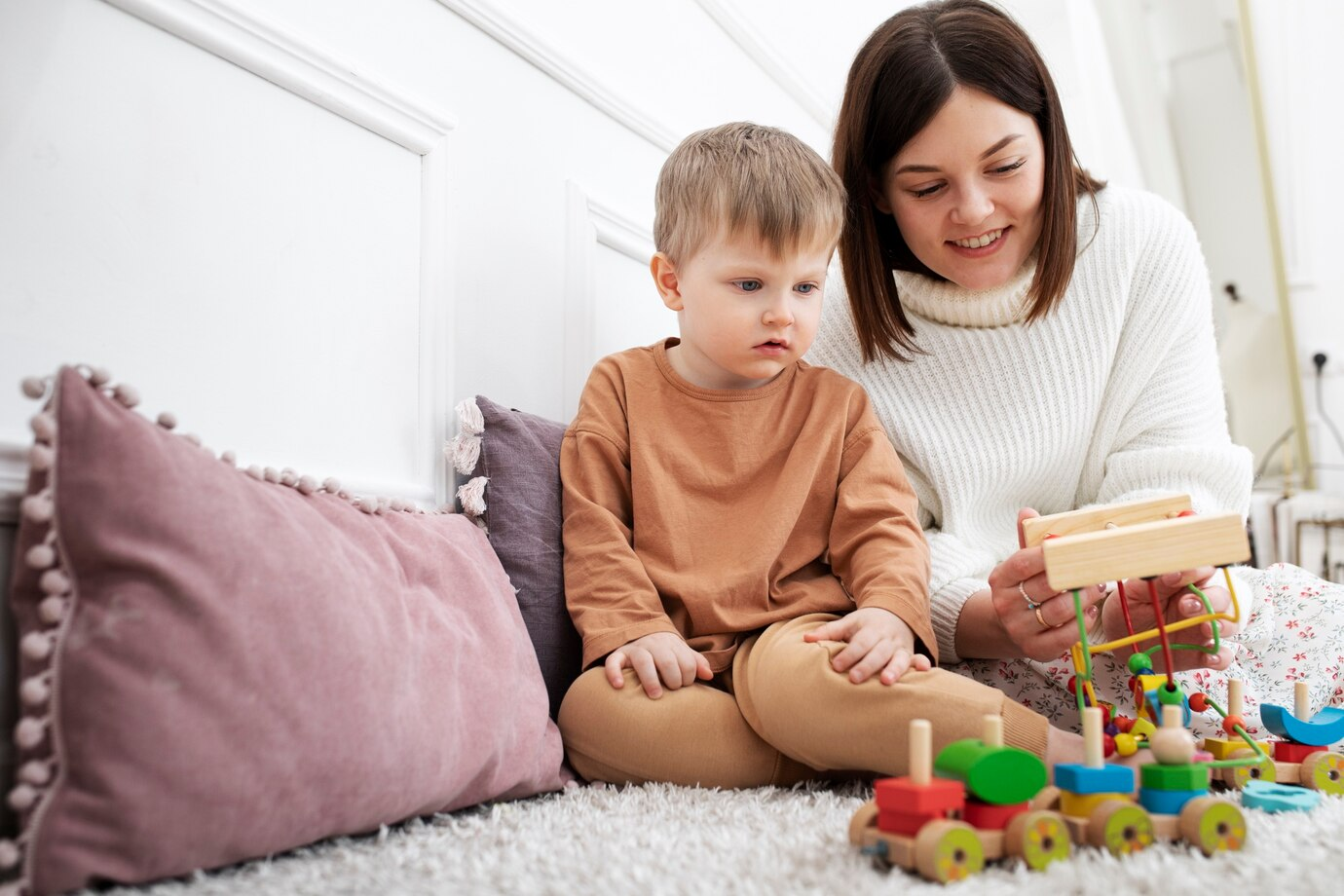
Is your child finding it difficult to communicate, interact with others, or engage in everyday play? If your child has Autism Spectrum Disorder (ASD), you may be wondering which therapies can help them build essential life skills. Occupational therapists may use play as a therapeutic medium to help children develop these skills in a natural and engaging way.
Through structured and purposeful play-based activities, occupational therapists can support children in developing communication and social skills, regulating their emotions, and processing sensory information. Children often learn through play in a way that feels relaxed, engaging, and motivating, making it easier to practise and develop everyday life skills.
Play is a beneficial and engaging therapeutic medium used by occupational therapists to help children with autism develop communication, social, emotional, and everyday life skills.— Dr. Sushant Sarang | PhD. Navi Mumbai, Scholar & Senior Occupational Therapist.
If you’re exploring therapy options for your child, understanding how play therapy works can help you decide whether it is the right step for your family’s journey.
Understanding Autism Spectrum Disorder (ASD)
Autism Spectrum Disorder (ASD) is a developmental disorder that affects how a child communicates, interacts with others, learns, and experiences the world. Since autism is a spectrum, every child has unique strengths and challenges.
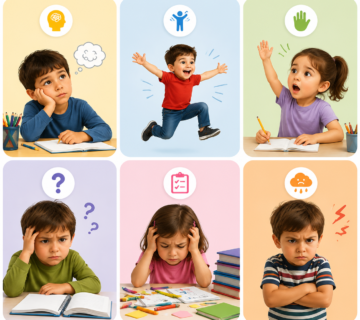
Some common signs of autism include:
- Late talking or language delays
- Limited eye contact
- Social skills problems
- Repetitive behaviours or movements
- Preference for routines
- Sensitivity to sound, light, texture or touch
- Limited ability in imaginative or pretend play
Early intervention can make a big difference. As part of occupational therapy, play can be used as a therapeutic medium to help children build communication, social, sensory, and everyday life skills.
Benefits of Play Therapy for Children with Autism
Occupational therapists use play as a therapeutic medium to help children with autism build essential life skills through enjoyable and meaningful activities.
- Encourages Better Communication
Through play therapy, children can communicate their thoughts and needs via gestures, facial expression, toys, pictures and verbalization. As time passes, many children are more confident in communicating with others.
- Strengthens Social Skills
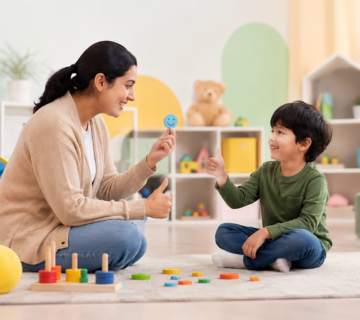
Children learn important social skills such as taking turns, sharing, following simple instructions, and playing with others. These skills gradually carry over into everyday situations at home and school.
- Supports Emotional Regulation
Through guided play, children learn to recognise and express their emotions while developing healthy ways to cope with frustration, anxiety, and changes in routine.
- Encourages Creativity
Through activities such as stories, role play and pretend play children learn to think flexibly and be imaginative in their problem solving skills.
- Improves Sensory Processing
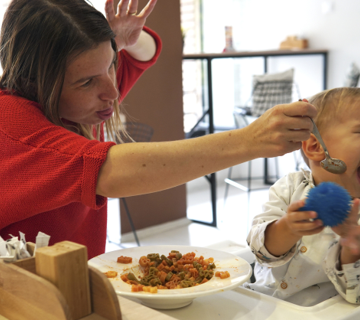
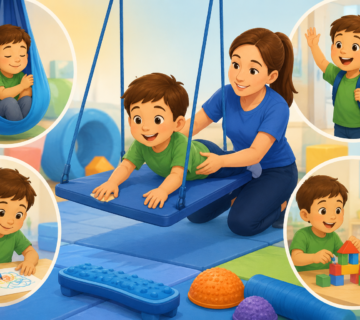
Sensory activities such as water play, play dough, sensory bins, and textured toys help children become more comfortable with different sensory experiences while improving focus and coordination.
- Develops confidence and independence
Children feel more confident about themselves as they make small steps during therapy and are more likely to attempt new activities and to increasingly become independent in everyday life.
Could Play Therapy Make a Difference for Your Child?
Give your child the opportunity to learn, communicate, and grow through play. Book an assessment to find the right therapy plan for their unique needs.
How Occupational Therapists Use Play in Therapy
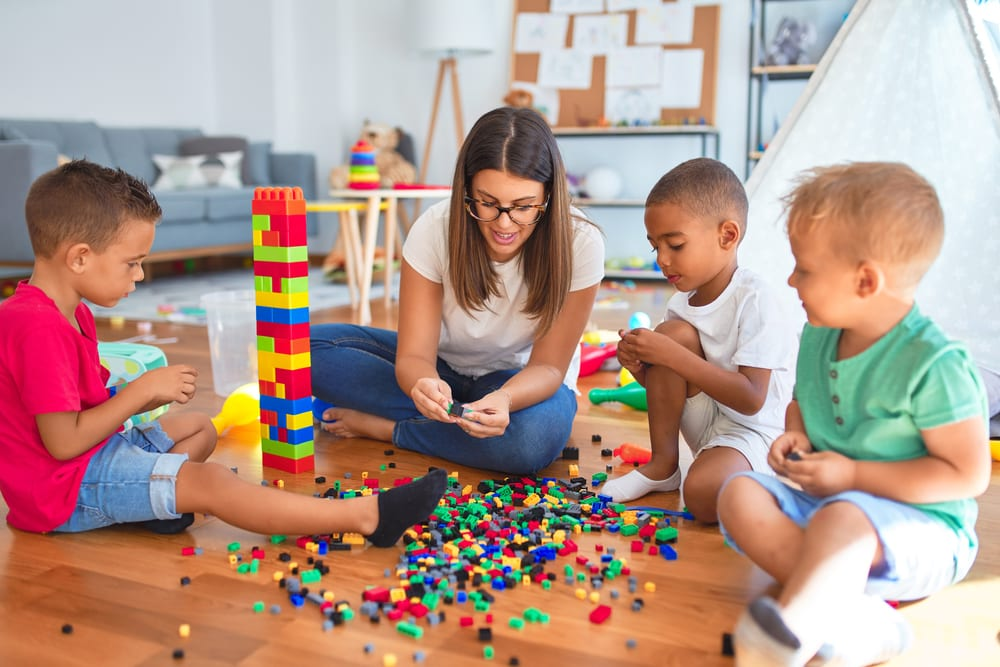
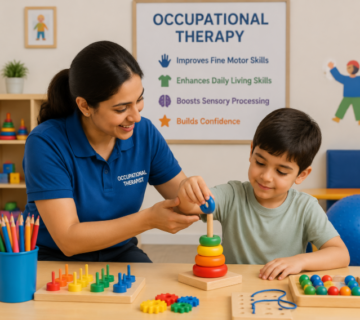
Occupational therapists use play-based activities as a therapeutic medium, selecting activities based on each child’s individual needs, interests, abilities, and developmental goals.
Initial Assessment
The therapist first understands your child’s strengths, challenges, interests, and developmental milestones to develop a personalised therapy plan.
Engaging Play Activities
Structured and child-led play activities encourage communication and social interaction, sensory development and problem-solving skills.
Skill Building
The therapist, throughout the session, gently supports the child to practice new skills and to make learning fun and low stress.
Parent Involvement
Parents are provided with easy-to-follow strategies and activities to foster continuing progress at home.
Progress Monitoring
The therapist regularly reviews your child’s development and adjusts the therapy plan as new goals are achieved.
Conclusion
Play is a safe and enjoyable therapeutic medium that occupational therapists can use to support communication, social interaction, emotional regulation, sensory processing, and daily functioning in children with autism. Each child will progress at their own rate, and an individualised therapy programme will help each child reach his/her potential. Play therapy is a great experience for children and if understood during their early stages in a consistent and supportive way, can be utilized as they grow.
Help Your Child Learn Through Play
Early help can make a difference. Make an appointment for your child to utilize the power of play to learn, grow and thrive.
FAQs
When does a child begin play therapy?
Early intervention generally leads to the best outcomes. Play therapy can be started at the time developmental concerns are first identified, but may be used with children of all ages.
How many times a week will my child be coming to play therapy?
The frequency will be based on your child’s needs and the therapist’s recommendations. Children usually come to 1 or 2 sessions per week.
Are parents able to assist in play therapy?
Absolutely. The therapist will also have a major responsibility for encouraging parents to follow his or her advice and to practise simple activities at home that reinforce the new skills.
Can play-based occupational therapy be used along with other therapies?
Yes. This therapy is frequently used in conjunction with other therapies such as occupational therapy, speech therapy, sensory integration therapy and others to assist the child’s overall development.
References
https://pmc.ncbi.nlm.nih.gov/articles/PMC9850869/
Disclaimer: This blog is for informational purposes only and is not a substitute for professional medical advice.