Occupational Therapy for Feeding Challenges
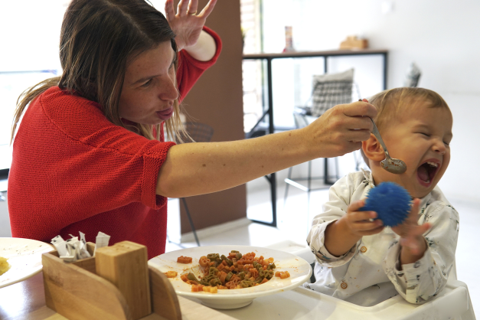
Does your child refuse certain foods, gag while eating, or take a long time to finish meals? While picky eating is common, ongoing feeding difficulties may affect your child’s growth and nutrition.
Occupational therapy helps children improve eating skills, become more comfortable with different foods, and enjoy mealtimes with greater confidence. With the right support from a Child Development Center, eating can become easier and less stressful for both children and parents.
“Eating should be a positive experience for every child. With the right support, children can build the skills and confidence they need to enjoy mealtimes and develop healthy eating habits.”— Dr. Sushant Sarang | PhD, Scholar & Senior Occupational Therapist, Navi Mumbai
Common Feeding Challenges in Children
Every child is different, but some feeding problems may need professional support if they continue over time. Common challenges include:
- Refusing to eat certain textures or food groups
- Gagging or coughing while eating
- Difficulty chewing or swallowing food
- Taking more than 30–40 minutes to finish a meal
- Eating only a very limited variety of foods
- Trouble transitioning from liquids to solid foods
- Avoiding self-feeding
- Becoming upset or anxious during mealtimes
If these difficulties continue, they may affect your child’s nutrition, growth, and overall development.
How Occupational Therapy Helps Children With Feeding Challenges

Occupational therapy helps improve the skills needed for eating. Every therapy plan is personalized to your child’s needs and supports progress at a comfortable pace.
Improves Oral Motor Skills
Children are taught to build up the strength of chewing, biting and swallowing muscles which facilitates and makes eating easier and safer.
Reduces Sensory Sensitivities
Some children reject foods due to their texture, smell or temperature. During therapy, children are gradually introduced to different food textures, smells, and tastes to help them feel more comfortable trying new foods.
Encourages Self-Feeding
Therapists help children improve hand coordination and grip so they can feed themselves more confidently.
Builds Positive Mealtime Habits
Children learn to sit comfortably, focus during meal times and establish healthy eating habits which help to minimise stress at home.
Expands Food Choices
Through gradual exposure and positive reinforcement, children slowly become more willing to accept new foods without pressure.
Techniques Used in Occupational Therapy for Feeding Challenges
Occupational therapists use safe, evidence-based techniques that are tailored to each child’s needs.
Some commonly used approaches include:
- Oral motor exercises to improve chewing and swallowing
- Sensory integration activities for children with food sensitivities
- Gradual exposure to new foods
- Food chaining to slowly introduce similar foods
- Positioning techniques for comfortable eating
- Adaptive utensils when required
- Parent guidance and home strategies to continue progress outside therapy
The aim is to help children feel comfortable, confident, and successful during mealtimes, while gradually developing positive eating skills.
What Happens During an Occupational Therapy Feeding Assessment?
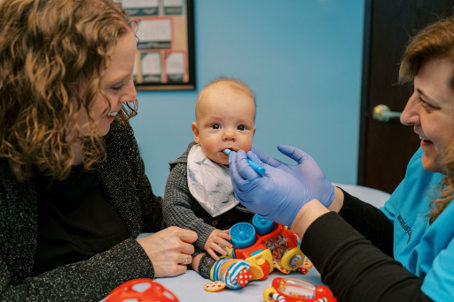
The first assessment helps the therapist understand why your child is experiencing feeding difficulties.
A feeding assessment usually includes:
Understanding Your Child’s History
The therapist talks to you and your child about their feeding practices, growth and development milestones, health history and your concerns as a parent.
Observing Mealtime Skills
Your child could be observed when eating to see how they chew, swallow, hold their head up and their eating habits.
Sensory and Oral Motor Evaluation
The therapist checks how your child responds to different food textures, tastes, and sensory experiences while assessing the muscles involved in eating.
Personalised Therapy Planning
An individual therapy plan is developed based on the assessment; the goals are realistic and achievable for your child.
Benefits of Occupational Therapy for Feeding Challenges
With regular therapy and family involvement, children can experience meaningful improvements over time.
Some of the benefits include:
- Better chewing and swallowing skills
- Improved nutrition and healthy growth
- Greater willingness to try new foods
- Reduced anxiety around mealtimes
- Better sensory processing
- Increased independence while eating
- More enjoyable family mealtimes
- Greater confidence in everyday activities
Every child progresses differently, but consistent therapy and support can help build lifelong eating skills.
Conclusion
Eating problems can be frustrating for children and parents, but with the right support, they do not have to be a long-term struggle. Through occupational therapy, children can develop the skills and strategies they need to eat safely, comfortably, and with greater confidence.
Early support, personalised therapy, and guidance at home can help children feel more confident during mealtimes. With early intervention and consistent support, children can develop positive eating experiences and healthy lifelong eating habits.
FAQs
Can occupational therapy help picky eaters?
Yes. Occupational therapy can help children who have feeding difficulties due to sensory issues, oral motor challenges, or anxiety around food. The therapist identifies the underlying cause and creates a personalised treatment plan.
At what age should feeding therapy begin?
Early intervention usually gives the best results. However, feeding therapy can benefit toddlers, preschoolers, school-aged children, and even older children who continue to experience feeding challenges.
How long does feeding therapy take?
The duration depends on your child’s specific needs and progress. Some children improve within a few months, while others may benefit from longer-term therapy.
How long does feeding therapy take?
The duration depends on your child’s specific needs and progress. Some children improve within a few months, while others may benefit from longer-term therapy.
Will parents be involved in therapy?
Yes. There is an important role of parents in feeding therapy. Therapists share practical skills that can be used at home to help maintain progress.