Occupational Therapy for Autism
Parents are often the first to notice when something feels “different” in their child’s development. It may begin with small observations, difficulty holding objects, delayed speech, sensitivity to sounds, or limited interaction with others. Over time, these challenges can start affecting daily routines, learning, and social behavior.
This is where occupational therapy for autism plays a meaningful role. Rather than focusing only on clinical treatment, it works on improving how a child functions in everyday life; at home, in school, and in social settings.
“Occupational therapy focuses on enabling children to participate in everyday activities with greater independence. For children with autism, even small functional improvements can have a lasting impact on confidence and development.” Dr. Sushant Sarang, Senior Occupational Therapist, Chief Mentor, Tender Touch Therapy Clinic
Early and structured intervention often helps children gradually build skills that support long-term growth.
Symptoms of Autism Parents Should Not Ignore
While early signs of autism can differ from child to child, certain patterns frequently emerge. These signs may be subtle at first, but if they persist, it’s important to seek professional guidance early on. Recognizing these early warning signs can help ensure that your child gets the support they need at the right time.
Some commonly observed patterns are:
- Delayed speech or communication challenges
- Limited eye contact or social interaction
- Repetitive behaviors or rigid routines
- Sensitivity to sound, touch, or textures
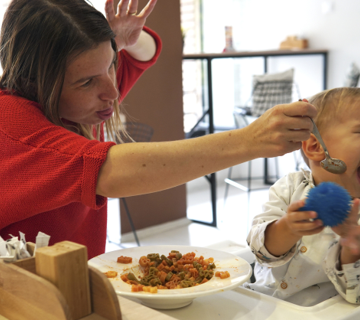
- Difficulty with daily tasks like eating or dressing
If these signs persist, early consultation is recommended.
How Occupational Therapy Helps Children with Autism
Autism Spectrum Disorder (ASD) affects how a child communicates, behaves, and processes sensory information. Each child presents differently, which is why therapy must be personalized.
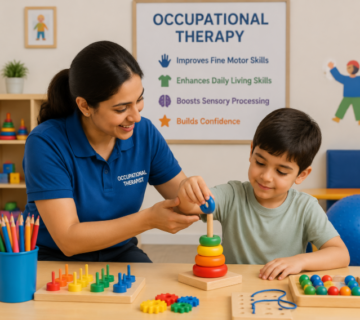
Occupational therapy autism programs are designed to improve:
- Communication and socialisation
- Behaviour
- Daily living skills such as eating and dressing
- Fine motor skills like writing and gripping
- Sensory processing and regulation
- Social participation and interaction
The focus is practical, helping children function better in real-life situations at home and school.
When to Visit an Occupational Therapist

You should consider visiting an occupational therapist if:
- Developmental milestones are delayed: If your child is not meeting expected milestones, such as speaking, understanding language, or responding to their name, early intervention can help address these challenges.
- Communication issues persist: Limited communication, difficulty forming sentences, or struggles with social interactions, such as making eye contact, can indicate the need for therapy to develop these skills.
- Sensory sensitivities affect daily routines: If your child is unusually sensitive to sounds, lights, textures, or touch, and these sensitivities interfere with daily activities, occupational therapy can help them adapt and manage these responses.
- Basic daily activities are challenging: If tasks like feeding, dressing, or grooming are difficult for your child, occupational therapy can help build the skills needed for independence in everyday life.
Early consultation with an occupational therapist can provide the guidance needed to support your child’s development and enhance their quality of life.
Why Choose T3 Clinic for Occupational Therapy in Navi Mumbai
Parents often look for a center that combines expertise with a child-friendly approach. T3 Clinic offers:
- Vast experience of more than 19 years
- Learnings from more than two lakh therapy sessions.
- Experienced pediatric occupational therapists
- Structured therapy programs tailored to each child
- Dedicated sensory integration therapy setups
- Parent guidance and home-based support plans
- Child-centric environment designed for comfort and engagement
The goal is not just therapy, but measurable progress in everyday functioning. Early intervention through pediatric occupational therapy for autism can significantly improve developmental outcomes.
Treatment Approach at T3 Clinic

At T3 Clinic, the treatment approach is structured, goal-oriented, and tailored to each child’s individual needs. It begins with a detailed assessment to understand the child’s strengths, challenges, sensory profile, and functional abilities.
Based on this, a personalized therapy plan is created with a focus on improving daily skills and achieving measurable progress. Regular monitoring and reassessment ensure that therapy evolves with the child’s development, while parent guidance helps maintain consistency at home.
Sensory Integration Therapy
Children with autism often experience sensory overload or under-responsiveness.
At T3 Clinic, sensory integration therapy for autism helps regulate these responses, allowing children to better engage with their environment.
“Sensory regulation is a key part of autism therapy. Once a child becomes more comfortable with sensory input, improvements are seen in attention, behavior, and learning,” says Dr. Sushant Sarang

Parent Training & Home Support
Parents are guided with practical strategies to continue therapy at home, ensuring consistency and faster progress.

Benefits of Occupational Therapy for Autism
Choosing the right therapy approach can lead to meaningful long-term improvements. Children can benefit from:
- Increased independence in daily activities
- Better coordination and motor skills
- Improved attention and focus
- Reduced sensory-related stress
- Enhanced confidence and social participation
Autism requires a structured and personalized approach. With the right support, children can develop essential life skills and improve their ability to function independently.
Occupational therapy focuses on real, measurable progress that supports both the child and the family.
FAQs
What does occupational therapy do for autism?
It helps children improve daily skills, sensory processing, motor coordination, and social interaction.
Is occupational therapy effective for autism?
Yes, it significantly improves independence, behavior, and daily functioning.
At what age should occupational therapy start?
It can begin as early as 1.5 to 2 years when early signs are observed.
How long does occupational therapy take to show results?
Results vary, but improvements are often seen within a few months of consistent therapy.
Where can I find occupational therapy in Navi Mumbai?
In Navi Mumbai, you can find occupational therapy at Tender Touch Therapy Clinic, offering personalized programs to improve motor skills, sensory processing, and daily living abilities.