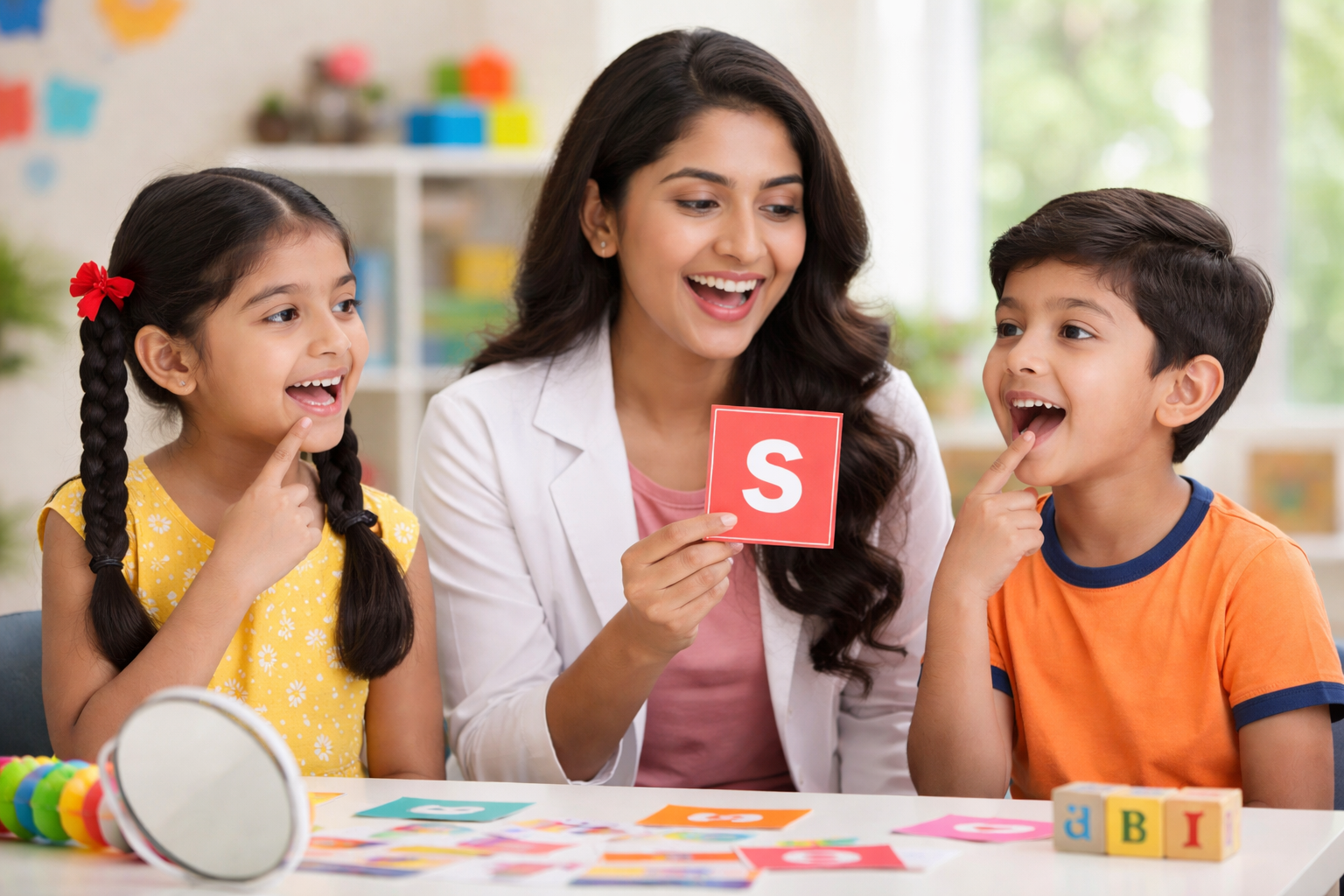
Speech Therapy vs Occupational Therapy
When parents begin researching speech therapy vs occupational therapy for children, confusion is common and completely understandable. Both therapies play a crucial role in child development, yet they address very different challenges.
Speech therapy for kids focuses on communication skills, how a child speaks, understands, and expresses language. In contrast, occupational therapy for children focuses on helping children perform everyday tasks independently, such as writing, dressing, or eating.
Understanding this difference is key to choosing the right support system for your child.
But here’s the important part… It’s not always about choosing one over the other.
What Is Speech Therapy for Kids?
Speech therapy for kids is a specialized intervention designed to improve a child’s communication abilities. This includes verbal speech, language understanding, and even nonverbal communication.
Pediatric speech therapy uses engaging, child-friendly techniques such as storytelling, games, and play-based learning to stimulate development.
Core areas addressed:
- Speech clarity and pronunciation
- Language comprehension and expression
- Fluency (stammering/stuttering)
- Social communication skills
Speech therapy targets speech, language, voice, fluency, and swallowing disorders.
Signs a child needs speech therapy:
- Delayed speech development
- Difficulty forming words
- Limited vocabulary
- Trouble following instructions
- Social communication challenges
“Early pediatric speech therapy helps children build a strong communication foundation, improving both academic performance and social confidence,” says Dr. Sushant Sarang, Senior Occupational Therapist | Chief Mentor, Tender Touch Therapy Clinic
What Is Occupational Therapy for Children?
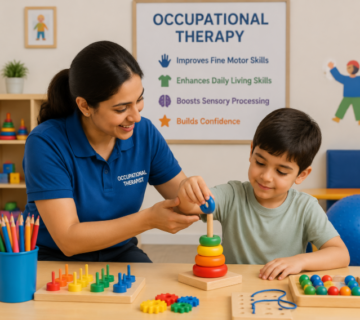
Occupational therapy for children focuses on helping kids become independent in their daily lives. It strengthens physical, sensory, and cognitive skills required for everyday activities
Areas targeted in occupational therapy for children:
- Fine motor skills (writing, gripping objects)
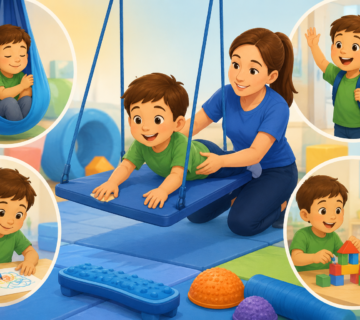
- Gross motor skills (balance, coordination)
- Sensory processing
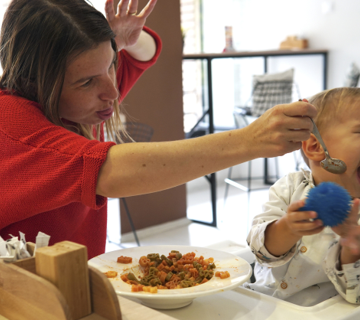
- Daily living activities (eating, dressing)
OT improves a child’s independence and ability to perform daily tasks such as dressing, eating, and coordinating.
Signs a child needs occupational therapy:
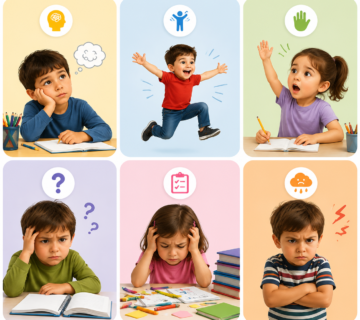
- Difficulty holding a pencil
- Poor balance or coordination
- Sensory sensitivities
- Trouble with self-care routines
- Delayed motor milestones
“Occupational therapy for children plays a vital role in building independence. When sensory and motor foundations are strong, children can perform daily activities with confidence and ease.” Dr. Sushant Sarang, Ph.D. Scholar
Senior Occupational Therapist | Chief Mentor, Tender Touch Therapy Clinic
Speech Therapy vs Occupational Therapy
Speech Therapy vs Occupational Therapy
When comparing speech therapy vs occupational therapy, the distinction lies in the developmental areas they target.
| Area | Speech Therapy | Occupational Therapy |
| Focus | Communication & language | Daily life skills |
| Skills | Speaking, understanding, and social interaction | Motor skills, coordination |
| Common Issues | Speech delay, stuttering | Sensory issues, poor coordination |
Speech therapy is about words, talking, and understanding. Occupational therapy is about daily tasks using hands and interacting with the physical world.
If you’re wondering, “Does my child need speech therapy or occupational therapy, identifying the primary challenge is the first step.
But here’s something many parents don’t realize…
Can a Child Have Both Speech Therapy and Occupational Therapy?
Yes, and often, this combination delivers the best outcomes.
Many children have overlapping developmental needs. For instance:
- A child struggling with speech may also have attention or sensory challenges
- Motor coordination issues can impact communication
Benefits of combining speech and occupational therapy:
- Holistic child development
- Faster and more consistent progress
- Better integration of skills
OT builds the sensory and motor foundation, while speech therapy builds communication skills on top of it.
And that’s not all… integrated therapy often leads to long-term success.
Speech Therapy vs OT for Autism
When evaluating speech therapy vs OT for autism, both therapies are essential and complementary.
- Speech therapy helps improve:
- Verbal and non-verbal communication
- Social interaction skills
- Use of communication aids
- Occupational therapy focuses on:
- Sensory integration
- Emotional regulation
- Motor coordination
Most autistic children benefit from both therapies working together.
For conditions such as sensory processing disorder, OT is primary, with speech therapy added when communication is affected.
But what about toddlers?
Speech Therapy vs Occupational Therapy for Toddlers
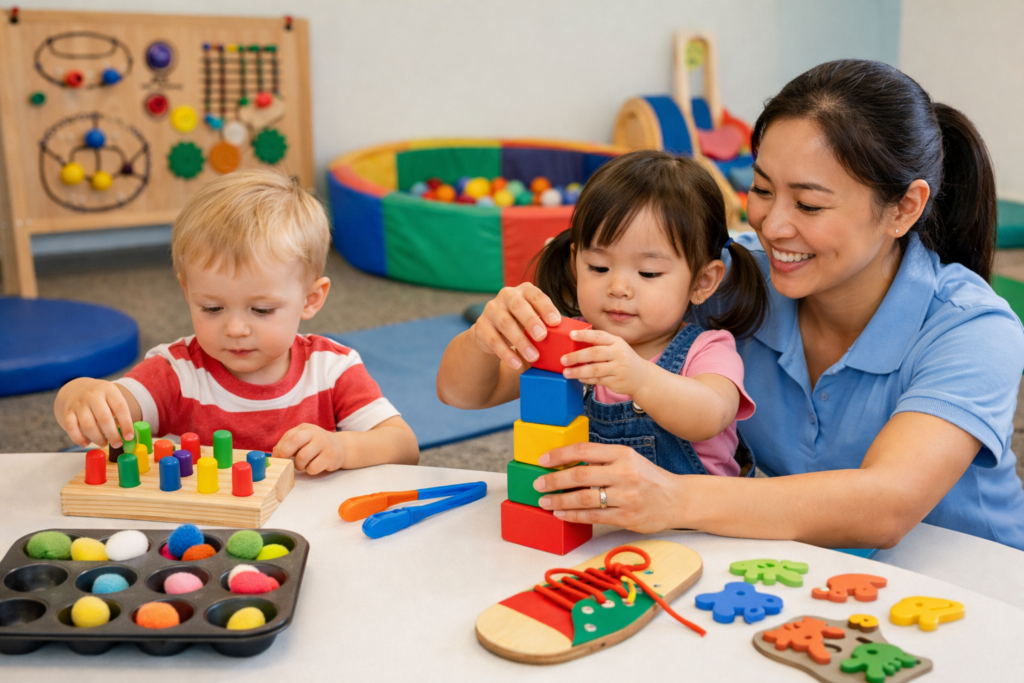
In early childhood, understanding speech therapy vs occupational therapy for toddlers is critical.
- Speech therapy can begin as early as 18 months
- OT supports feeding, sensory regulation, and early motor skills
Early intervention significantly improves long-term developmental outcomes.
Parents often ask, “Why did the speech therapist recommend occupational therapy?“
This happens because:
- Sensory regulation affects attention and speech
- Postural control impacts speech clarity
- Brain functions are interconnected
In simple terms… development works as a system, not in isolation.
How to Decide What Your Child Needs
If you’re asking, “Does my child need speech therapy or occupational therapy?” consider the following:
- Communication difficulties → Speech therapy
- Motor or sensory challenges → Occupational therapy
- Multiple concerns → Combination approach
A professional assessment remains the most reliable way to make a decision.
Understanding speech therapy vs occupational therapy for children empowers parents to make informed decisions. While speech therapy for kids focuses on communication, occupational therapy for children enhances independence and daily functioning.
In many cases, the most effective approach is a combination of both therapies, ensuring holistic development and long-term success.
FAQs
- What is the difference between speech therapy and occupational therapy? Speech therapy focuses on communication, while occupational therapy supports daily living skills and motor development.
- Can my child take both therapies together? Yes, many children benefit from a combined therapy approach.
- What are the signs a child needs speech therapy? Delayed speech, unclear pronunciation, and difficulty understanding language.
- What are the signs a child needs occupational therapy? Poor coordination, sensory sensitivities, and difficulty with daily tasks.
- Which therapy is better for autism? Both therapies are essential and often used together for the best results.