What Are the Benefits of Occupational Therapy for Kids With ADHD?
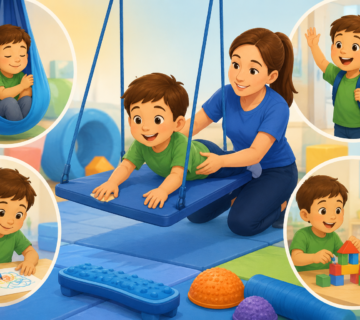
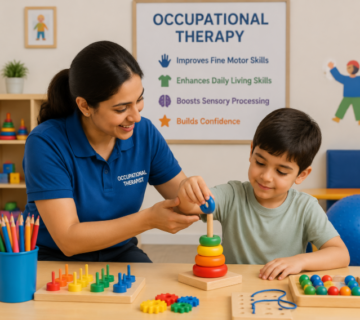
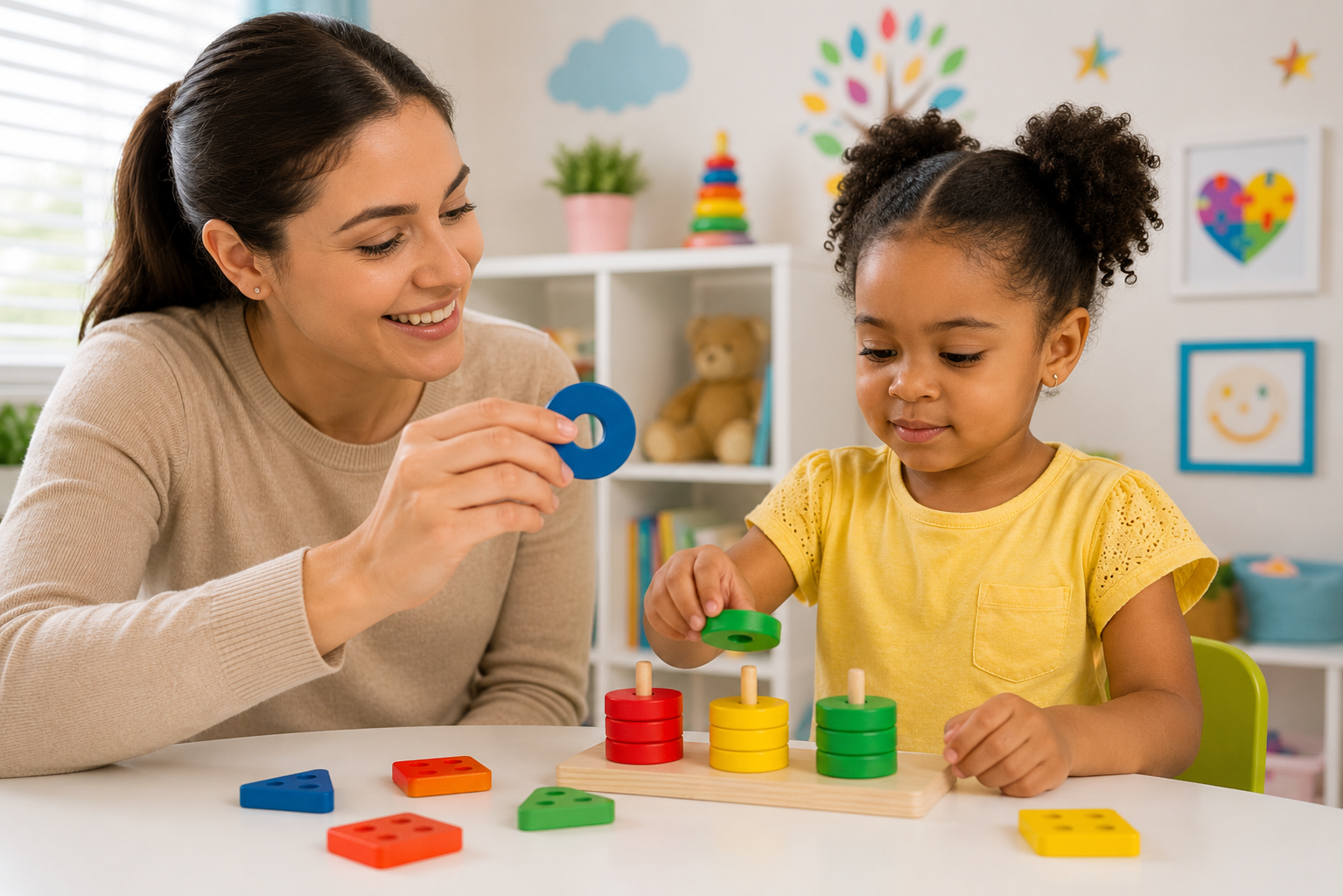
Pediatric occupational therapy is a healthcare service that helps children develop the physical, sensory and cognitive skills needed for everyday tasks. These daily activities include playing, learning in school, eating and basic self-care routines like getting dressed and managing personal hygiene. Children with ADHD often struggle across several of these areas at once because ADHD affects how the brain regulates attention, sensory input and the ability to follow multi-step routines. OT works on each of these gaps individually through structured sessions built around that specific child.
According to Dr. Sushant D. Sarang, Occupational Therapist in Navi Mumbai, “ADHD is often treated as a behaviour problem when the real issue is how the brain is managing sensory input and task switching. OT works on those underlying systems directly.”
What Does Occupational Therapy Actually Target in Children With ADHD?

ADHD brings different problems for different children. One child can’t sit still long enough to write a sentence. Another can sit fine but can’t get dressed without falling apart. The assessment figures out which gap is actually driving the most difficulty for that particular child.
- Attention and Task Persistence: Sitting through a task long enough to finish it is genuinely difficult for children with ADHD. OT uses structured activities that gradually build the capacity to stay on something without constant redirection. The activity level is calibrated so the child gets through each one without hitting overload — then the next session asks a little more.
- Sensory Regulation: Many children with ADHD are sensory seekers. They fidget, make noise, touch everything and struggle to feel settled in a quiet classroom because their nervous system needs more input than that environment offers. OT works out what that child’s system is actually chasing and gets it into the day in a structured way so the classroom isn’t the first place they’re trying to regulate.
- Fine Motor Skills: Handwriting is a common struggle for children with ADHD. Slow processing, poor pencil grip and difficulty coordinating hand movements mean written work takes far longer and produces far less than the child is actually capable of. The handwriting problem usually has a motor problem underneath it and that is what OT addresses.
- Organisation and Routine: Getting dressed in the morning. Packing a school bag. Following a sequence of steps without losing track halfway through. Children with ADHD often need these broken into very small steps and practised repeatedly in the same order. The sequence only starts to stick once it has been done the same way enough times.
A full occupational therapy assessment identifies which area is causing the most disruption before sessions begin. For children where sensory regulation is a significant concern the blog on how sensory integration therapy helps autistic kids covers how sensory processing and behaviour connect in detail.
What Changes Do Families Actually See After OT for ADHD?
Parents often miss the early changes because they’re watching the wrong things. The shifts tend to show up in mundane daily situations weeks before anyone flags progress formally.
- School Work Gets More Manageable: A child who used to avoid all written tasks starts producing a few sentences then a paragraph. Handwriting doesn’t become perfect but the refusal stops. This usually has nothing to do with motivation — it comes from the motor work done in sessions.
- Morning Routines Settle Down: Getting a child with ADHD dressed and out the door without a daily fight is something a lot of families have quietly given up on. When OT breaks those routines into repeatable steps and practises them consistently the mornings get less chaotic over time. Behavioral therapy alongside OT helps reinforce these changes for children who also struggle with emotional regulation.
- Sitting Tolerance Increases: A child who couldn’t last five minutes at a desk starts managing ten then fifteen. Teachers tend to notice this first because they’re with the child every day in a setting that makes this demand constantly.
- Emotional Regulation Improves: When the sensory system is getting what it needs and daily tasks stop feeling impossible the meltdowns that come from overload and frustration become less frequent. The triggers don’t go away but the response gets smaller and recovery happens faster.
Children who start OT younger tend to see faster gains but older children respond too — the work is the same either way. Read more on what occupational therapy for children actually is.
Why Choose Tender Touch Therapy Clinic?
Dr. Sushant D. Sarang is a PhD Scholar in Occupational Therapy with Sensory Integration certification at Level I and IV from the USA and has been running T3 Clinic since 2007 across four Navi Mumbai locations. Six occupational therapists on the team working only with children.
Every child gets a written individual assessment before sessions begin. Therapy is specific to how that child is functioning at that point and gets adjusted as things change. If an approach isn’t moving things forward it gets dropped. Parents get session updates on what was worked on and what shifted.
📞 Call Now: +91 96193 44305
FREQUENTLY ASKED QUESTIONS
Does occupational therapy help children with ADHD who are already on medication?
Yes, OT works alongside medication by addressing functional and sensory gaps medication does not cover.
How long does OT take to show results in children with ADHD?
Most children show noticeable changes in daily function within 8 to 12 consistent weekly sessions.
Can occupational therapy help an ADHD child who struggles mainly at school?
Yes, OT targets the attention, motor and sensory gaps that directly affect school performance.
Does a child need an ADHD diagnosis before starting occupational therapy?
No, OT assessment identifies functional difficulties and builds a programme regardless of formal diagnosis.
References
- American Occupational Therapy Association — ADHD and OT
- World Health Organization — Child and Adolescent Mental Health