Occupational Therapy for ADHD

For many children with ADHD, the challenge isn’t a lack of intelligence or effort; it’s that their brains are wired to process the world differently. Staying focused during a homework session, following multi-step instructions, keeping a backpack organised, or simply sitting still through a meal can take far more mental energy than it does for their peers. Over time, these daily struggles can quietly erode a child’s confidence and make even routine moments feel overwhelming.
ADHD affects far more than attention. It can influence how a child regulates their emotions, coordinates their body, manages impulses, and builds the habits that form the backbone of independent daily life. These effects ripple across the classroom, playground, and home, making it essential that support goes beyond academic help alone.
Doctor Quote
“Children with ADHD often have strong potential, but they may need help turning that potential into daily success. Occupational therapy focuses on simple skills that create long-term confidence.”
— Dr. Sushant Sarang, Senior Occupational Therapist, Ph.D. Scholar, Advanced Sensory Integration Trained, 27+ years of experience
Turn daily struggles into small wins—start building better focus today.
What Is Occupational Therapy for ADHD?
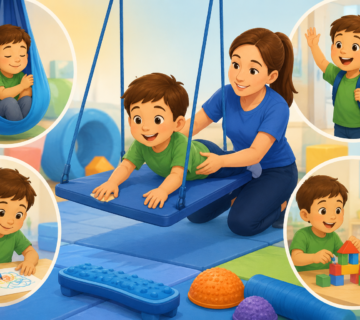
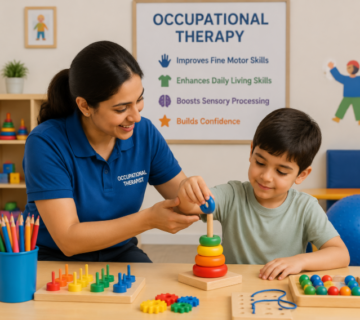
Occupational therapy helps children improve the everyday skills they need to function well. For ADHD, this often means working on focus, self-control, planning, coordination, and routines.
It is not only about therapy sessions. The real goal is to make life easier at home, smoother in school, and more manageable for the child.
A good Child Development Center in Navi Mumbai creates therapy plans based on the child’s age, strengths, and challenges.
Who Needs This Treatment?

Children may benefit from therapy if they regularly face issues such as poor attention, impulsive behavior, or difficulty following routines.
Common signs include:
- Easily distracted during tasks
- Trouble sitting still
- Frequent frustration or meltdowns
- Poor handwriting
- Difficulty finishing homework
- Forgetfulness
- Sensory sensitivity
- Low confidence due to repeated struggles
Therapy can also support teenagers who need help with planning, study habits, and independence.
Benefits of Occupational Therapy for ADHD
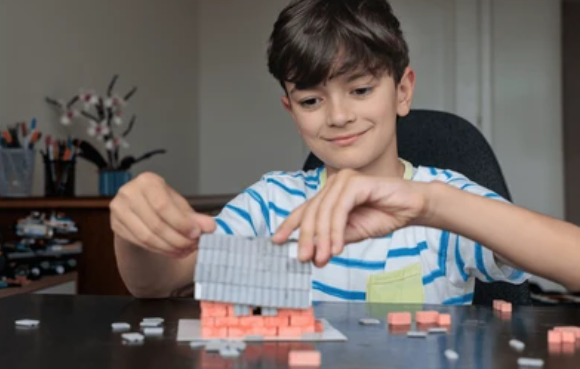
When therapy is consistent, children often become more confident and independent over time.
Benefits may include:
- Better focus during tasks
- Improved emotional control
- Easier homework routines
- Better motor skills and handwriting
- Reduced family stress
- Stronger self-confidence
- Improved classroom participation
Many parents notice that small daily wins lead to meaningful long-term progress.
Turn daily struggles into small wins—start building better focus today.
How the Treatment Works
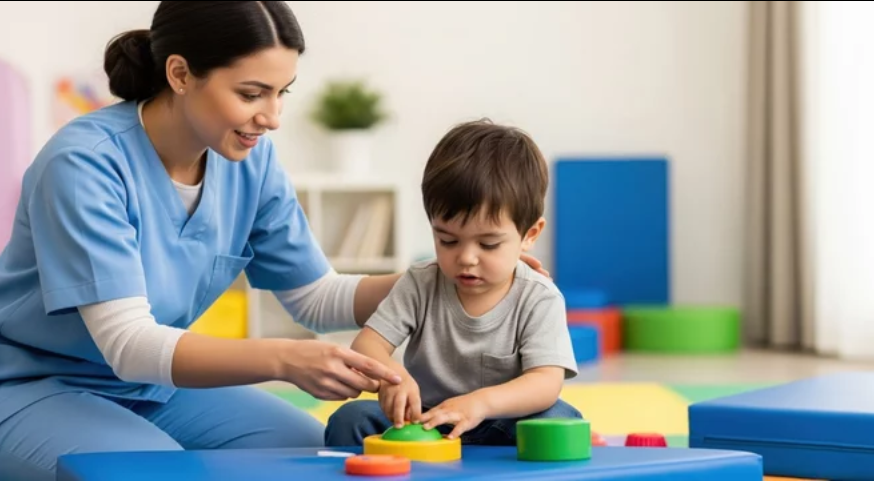
Therapy usually begins with an assessment. The therapist understands the child’s behavior, routines, sensory needs, and learning challenges.
After that, sessions are planned around goals such as improving focus or managing frustration. Activities may include movement games, sensory exercises, handwriting tasks, and routine-building methods.
Parents are also guided on what to continue at home, which is an important part of progress.
Why Timely Treatment Matters
Waiting too long can make everyday struggles harder. A child who constantly feels behind may lose confidence or start resisting schoolwork.
Delayed support may lead to:
- Academic difficulties
- Emotional stress
- Poor self-esteem
- Family conflict over routines
- Social challenges with peers
Early therapy helps children build coping skills before habits become harder to change.
Recovery & What to Expect
Occupational therapy is a gradual process. It focuses on steady progress rather than instant results.
Some families notice better listening or calmer behavior within a few weeks. Larger improvements in routines, independence, and attention often develop over a few months.
Regular attendance and home practice usually improve outcomes.
Effectiveness of the Treatment
Occupational therapy can be highly effective when the child receives the right plan and family support. It works best when parents, teachers, and therapists stay aligned.
Realistic improvements often include:
- Better daily routines
- Stronger attention span
- Improved emotional balance
- Better classroom behavior
- More independence at home
Families often notice that progress shows first in everyday life, not just during
Sessions.
When Should You Consult?

If your child’s focus, emotions, or routines are affecting school or home life, it may be the right time to seek help.
Choosing an experienced Child Development Center early can help your child feel more confident, capable, and ready to grow.
A little guidance today can shape a calmer, more confident tomorrow.
FAQs
1. Is occupational therapy helpful for ADHD?
Yes, it helps to reduce hyperactivity and improve focus, routines, behavior, and confidence.
2. What does occupational therapy do for ADHD?
Occupational therapy helps improve focus, routines, emotional control, handwriting, sensory balance,reduce hyperactivity and daily independence for people with ADHD.
3. At what age should therapy start?
As soon as difficulties affect daily life or learning.
4. Does therapy help with school problems?
Yes, especially attention, task completion, and handwriting.
5. How long does therapy take?
Some children improve in months, while others need longer support.